Preeclampsia Warning Signs Every Pregnant Woman Should Know
Learn the warning signs of preeclampsia during pregnancy, including high blood pressure, severe headaches, vision changes, swelling, and other symptoms that require prompt medical attention.
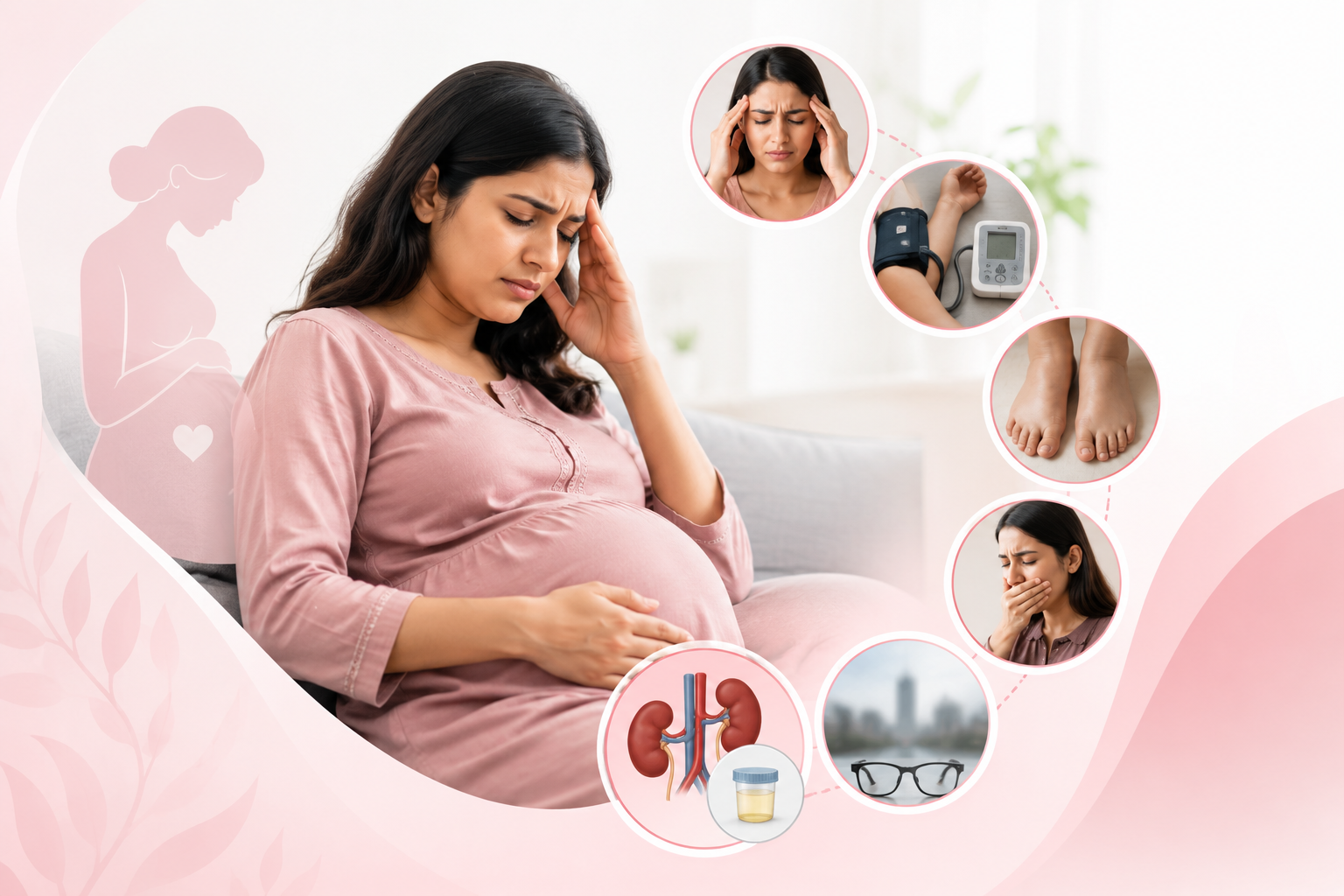
Pregnancy naturally brings many physical changes, but certain symptoms should never be ignored. Persistent headaches, sudden swelling, vision changes and pain below the ribs can be preeclampsia warning signs that require immediate medical attention.
Preeclampsia is a serious pregnancy complication involving high blood pressure and signs that organs, such as the kidneys or liver, may be affected. It usually develops after the 20th week of pregnancy, although it can also occur after childbirth. The World Health Organization estimates that preeclampsia affects approximately 3% to 8% of women who give birth worldwide.
know the signs of preeclampsia during pregnancy can help expectant mothers seek medical assistance before the condition becomes more severe.
What Is Preeclampsia in Pregnancy?
Preeclampsia is a hypertensive disorder that usually develops after 20 weeks of pregnancy. It is commonly associated with new-onset high blood pressure and may involve protein in the urine or other signs of organ dysfunction.
A blood pressure reading of 140/90 mmHg or higher after 20 weeks may require further assessment. However, one reading alone does not confirm preeclampsia. Doctors may repeat the measurement and perform urine tests, blood tests and fetal monitoring before making a diagnosis.
Some women have no noticeable early symptoms. High blood pressure and protein in the urine may only be detected during a regular antenatal appointment. This is why attending every scheduled pregnancy check-up is essential.
8 Important Preeclampsia Warning Signs
- A Severe or Persistent Headache
A headache that is unusually severe, keeps returning or does not improve with rest or doctor-approved medication may be an early warning sign.
Headaches are common in pregnancy, but a persistent headache combined with swelling, vision changes or high blood pressure needs urgent evaluation. Do not repeatedly take medication without consulting your healthcare provider.
- Blurred Vision or Seeing Flashing Lights
Preeclampsia can affect the brain and nervous system, resulting in visual disturbances. These may include:
- Blurred or double vision
- Seeing spots or flashing lights
- Unusual sensitivity to light
- Temporary loss of vision
New or sudden vision changes during pregnancy should be checked immediately. They may indicate that blood pressure has reached a dangerous level.
- Sudden Swelling of the Face, Hands or Feet
Mild swelling of the feet and ankles is common during pregnancy. However, swelling that appears suddenly, increases rapidly or affects the face and hands may be linked to preeclampsia.
Rings suddenly becoming tight or puffiness around the eyes can also be warning signs. Swelling alone cannot diagnose the condition, but it should not be dismissed when it develops quickly or appears alongside other symptoms.
- Pain Below the Ribs or in the Upper Abdomen
Severe pain in the upper abdomen, particularly below the ribs on the right side, can be a symptom of liver involvement. Some women mistake it for heartburn, indigestion or discomfort caused by the baby’s position.
Seek medical assistance if the pain is severe, persistent or does not improve with routine heartburn treatment recommended by your doctor.
- Nausea or Vomiting Later in Pregnancy
Morning sickness is particularly common during early pregnancy. New nausea or vomiting beginning after the midpoint of pregnancy, however, may require medical evaluation.
Vomiting combined with headache, abdominal pain, swelling or vision changes could be one of the severe preeclampsia symptoms. Contact your maternity care provider instead of assuming that it is ordinary pregnancy sickness.
- Shortness of Breath
Difficulty breathing, chest tightness or feeling unable to take a full breath can sometimes occur when fluid collects in the lungs. This is a potentially serious complication and requires emergency assessment.
Call emergency services if shortness of breath is sudden, severe or accompanied by chest pain, faintness, confusion or blue lips.
- Rapid Weight Gain
Weight gain is expected throughout pregnancy. However, a sudden increase over a very short period can sometimes result from fluid retention associated with preeclampsia.
Rapid weight gain is not enough to diagnose the condition, but it should be reported when it appears alongside swelling or other warning signs. Your doctor can determine whether the change is within a healthy pregnancy range.
- Feeling Extremely Unwell
Some women with preeclampsia describe feeling unusually unwell without being able to identify a single cause. This may include extreme weakness, confusion, dizziness or a strong sense that something is wrong.
Trust your instincts. Contact your healthcare provider if you feel significantly different from normal, particularly during the second half of pregnancy.
Can Preeclampsia Occur Without Symptoms?
Yes. Preeclampsia may initially cause no noticeable symptoms. The first signs can be raised blood pressure and protein in the urine, both of which require medical testing.
Routine antenatal visits allow healthcare professionals to:
- Measure blood pressure
- Test urine for protein
- Assess swelling and other symptoms
- Monitor the baby’s growth
- Order blood tests when necessary
Skipping antenatal appointments can delay the detection of high blood pressure during pregnancy, even when a woman feels well.
Who Is More Likely to Develop Preeclampsia?
Although any pregnant woman can develop the condition, certain preeclampsia risk factors may increase the likelihood. These include:
- Preeclampsia during a previous pregnancy
- Chronic high blood pressure
- Kidney disease or diabetes
- Lupus or another autoimmune condition
- Pregnancy with twins or multiple babies
- First pregnancy
- Family history of preeclampsia
- A higher pre-pregnancy body mass index
- Pregnancy at an older maternal age
- A long interval between pregnancies
Having one or more risk factors does not mean that preeclampsia will develop. It means closer monitoring may be recommended. Do not begin aspirin, calcium supplements or any preventive treatment unless prescribed by a qualified doctor.
When Should You Seek Emergency Medical Care?
Contact your obstetrician, maternity hospital or emergency service immediately if you experience:
- A severe headache that will not go away
- Blurred vision, flashing lights or temporary vision loss
- Severe pain beneath the ribs
- Sudden swelling of the face or hands
- Breathing difficulty or chest pain
- Seizure, fainting or confusion
- Severe nausea or vomiting later in pregnancy
- A significant reduction in your baby’s usual movements
Do not wait for the next appointment or attempt to diagnose the condition at home.
Postpartum Preeclampsia Symptoms
Preeclampsia can develop after delivery, even if blood pressure remained normal throughout pregnancy. Most cases of postpartum preeclampsia occur within 48 hours after childbirth, but the condition can develop several weeks later.
Postpartum preeclampsia symptoms can include severe headaches, high blood pressure, vision changes, upper abdominal pain, nausea, shortness of breath and reduced urination. Seek urgent care and tell the medical team that you recently gave birth.
How Is Preeclampsia Diagnosed?
A healthcare professional may use several examinations to diagnose or monitor preeclampsia:
- Repeated blood pressure measurements
- Urine testing for protein
- Blood tests for liver and kidney function
- Platelet count
- Ultrasound scans to check fetal growth
- Monitoring of the baby’s heart rate
- Assessment of symptoms and medical history
Treatment depends on the pregnancy stage, blood pressure level, symptoms and the health of both mother and baby. Medical supervision is essential because untreated preeclampsia can progress to seizures, known as eclampsia, or other serious complications.
Protecting Yourself and Your Baby
Recognising preeclampsia warning signs is an important part of pregnancy safety. Attend every antenatal appointment, report new symptoms promptly and follow your doctor’s monitoring and treatment recommendations.
At Anu My Baby, we encourage expectant mothers to stay informed while relying on qualified medical professionals for diagnosis and individual care. If something does not feel right, asking for medical help is always the safest decision.
Frequently Asked Questions
What are the first signs of preeclampsia?
The earliest detectable signs are often high blood pressure and protein in the urine. These may not cause noticeable symptoms, which is why routine antenatal checks are important.
At what week does preeclampsia usually start?
Preeclampsia usually develops after 20 weeks of pregnancy. It can also occur during labour or after childbirth.
Is swelling always a sign of preeclampsia?
No. Mild swelling of the ankles and feet can be normal during pregnancy. Sudden or rapidly worsening swelling, particularly in the face and hands, needs medical assessment.
Can preeclampsia go away on its own?
Preeclampsia requires professional medical monitoring and should never be left untreated. Management depends on its severity and how far the pregnancy has progressed.
Can preeclampsia happen after delivery?
Yes. Postpartum preeclampsia can occur after childbirth, including in women who did not have preeclampsia during pregnancy.
Can I check for preeclampsia at home?
Home blood pressure monitoring may help if recommended by your doctor, but it cannot replace antenatal examinations, urine testing, blood tests or professional diagnosis.